About Okaya
Helping people see a change in themselves before it becomes a crisis
Okaya is a short, private readiness check-in. You talk with Sanora for about 3 minutes, and Okaya shows how today compares with your earlier check-ins. We built it for people in high-consequence work, and for the leaders and clinicians who support them.
- Company
- SmartTec Inc. d/b/a Okaya
- Based in
- Boulder, Colorado
- Research
- Peer-reviewed, with U.S. Air Force and U.S. Space Force participants
- For
- Adults 18 and over
Why we built Okaya
Like too many people, we've watched loved ones struggle. We've seen the good days and the bad days. We've celebrated small victories and sat through dark nights. Some of us have lost someone to suicide. When that happens, the questions stay with you: could I have seen the signs? What if they'd had better support? What could have been different?
Mental health professionals told us the same story again and again: by the time most people ask for help, they're already in crisis. People do care. We just don't notice our own decline until we're struggling to stay afloat, and the longer the wait, the harder the road back.
Then there's the stigma. Despite all the talk about awareness, suicide rates keep rising in some groups. People still whisper about therapy. They still hesitate to use their company's EAP because "what if someone finds out?"
What if checking in on your readiness could be as normal as checking your blood pressure?
Our idea came unexpectedly. Greg, one of our co-founders, was testing high-performance cameras through Intel's Software Innovators program. He set up his bike on a stationary trainer, strapped on his heart rate monitor, and saw the camera read his heart rate almost exactly like the monitor. Okaya doesn't measure heart rate. But that moment showed what a camera could notice. It also showed that technology, built with care and science, could help people see their own state more clearly.
The team came together naturally. Some of us had worked together for decades; others brought fresh eyes from other fields. What connects us is a shared belief that technology, built responsibly, can help people understand themselves better.
Two levels: the person and the team
The cost of people struggling in silence lands on families, teams and whole organizations. So Okaya works on two levels. Each person sees their own readiness. Organizations get a group view that helps them support their people.
Individual results stay private to the individual.
Leadership sees anonymized, aggregated unit-level readiness only. Never who checked in, how anyone did, or anything they said.
Organizations have both a responsibility and an opportunity to build places where people can stay ready. That means better support, better-targeted resources, and a culture that puts readiness first every day.
Built on our own research, explained in plain words
Many AI tools are built on data that doesn't reflect the range of real people. That's why we build our own research datasets, study where bias can creep in, and publish what we find. You deserve to know what the check-in looks at and why, so we explain it plainly.
This work is personal. When we improve Okaya, or hear from someone it helped, we think about the people we couldn't help in time. We want fewer families to ask themselves what they could have done differently.
That's why we're here. That's why we built Okaya.
Our team
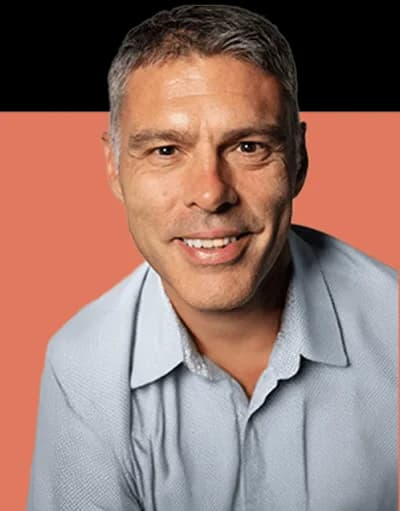
Gregory Menvielle
CEO and Co-Founder
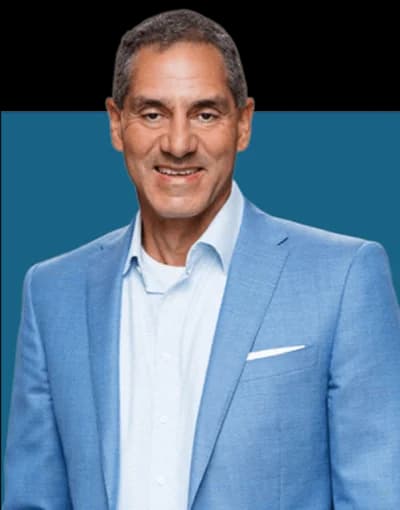
Robbie Vann-Adibé
Executive Chairman and Co-Founder
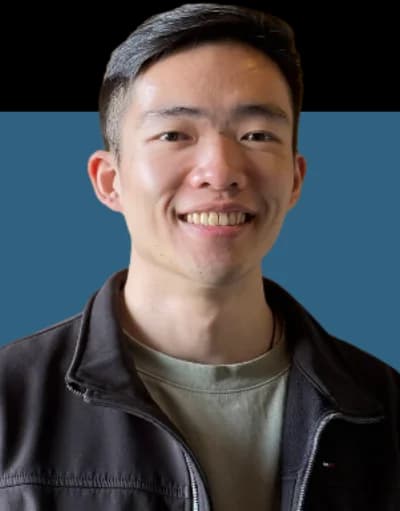
Matthew So
AI and Research
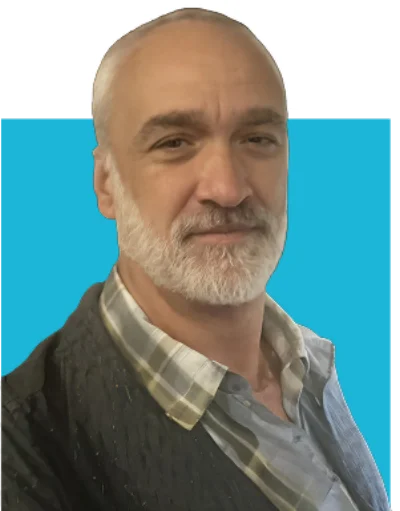
Ken Richard
Engineering
Advisors
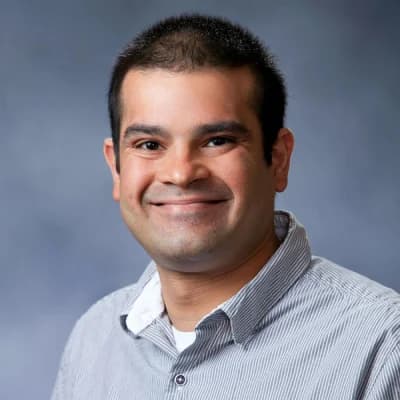
Sidney K. D'Mello, PhD
Science advisor
Professor, Institute of Cognitive Science and Department of Computer Science, University of Colorado Boulder
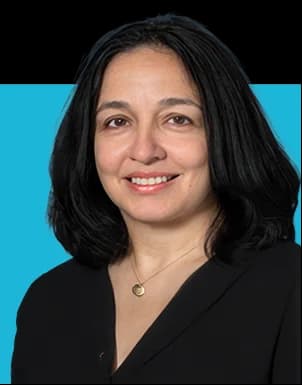
Dr. Sara Ghandehari, MD, MCSO, FACHE
Clinical advisor

Dr. Nick Uram, Psy.D.
Clinical advisor
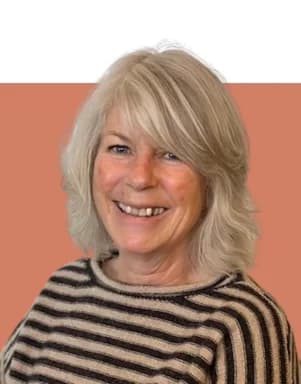
Lindsay Shrubsole
Clinical advisor
Chartered Clinical Psychologist
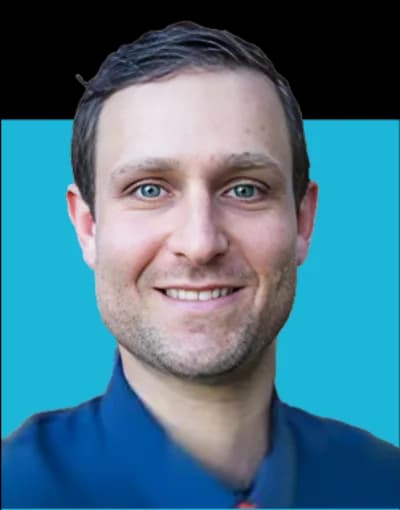
Jared Alster
Business advisor
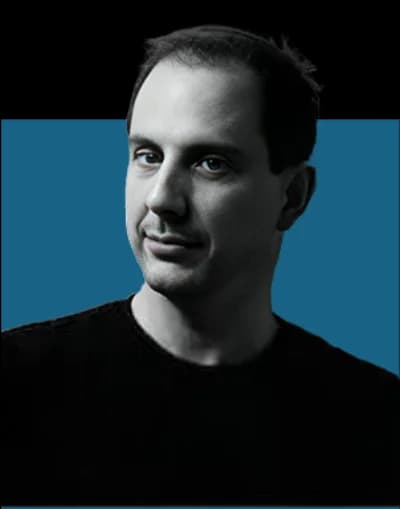
Steven Fink
Business advisor
What we believe
How we build the product and how we work with each other.
- Save lives, do no harm
- We exist to protect and uplift. Our technology has to leave people stronger.
- Your data, your rules
- Your results are yours. We hold your data to serve you, and we say plainly what we collect and why.
- Ethics over everything
- If it's not right, we don't do it. Integrity is our default.
- Built for everyone
- Readiness is universal and personal. Our tools adapt to real lives, cultures and needs.
- Clear over clever
- We explain what the check-in looks at and why, in plain words.
- Radical empathy
- Speak the truth, with heart. Honest, direct feedback makes us better, individually and together.
- No assholes, ever
- Respect and kindness are non-negotiable on this team.
- Pay it forward
- Lift others up. Mentor. Share. Build value beyond the company.
- Health is the culture
- We look after physical and mental health in our own workplace, too.
- Learn fast, evolve constantly
- We grow through curiosity and courage. Failure teaches. Learning never stops.
- Pioneering with purpose
- We push boundaries to improve lives. Innovation only matters if it serves people.
From people who use Okaya
Okaya gives our people objective data about their readiness state. Individual scores stay private, we only see department-wide trends.
Tyler CapronBoulder Fire Rescue
My Okaya scores made me realize I needed to reach out for help. As therapy progressed I could see my score improve again.
Robert D.Okaya user
The scores so far actually feel quite accurate and relatable for me. For example, today I received a lower score, which makes sense because I slept very poorly. I can really recognize myself in the results

Nina Van KnapenPsychologist, business owner
I completed the check-in. It was pretty smooth, I like how the AI provides follow-up action items and the scores at the end.
SashaPsychologist, researcher
I really did not want to like it because it's AI but I did! It's scary at how good it was at when I needed to take a minute to step away and relax.
AnonymousFirefighter, Midwest
See it for yourself
A check-in takes about 3 minutes. Try it, or talk with the team.