Science and research
The science behind the Okaya check-in
A short conversation carries more than the words in it. Okaya looks at how a person sounds, what they say and how their expression moves, and compares today with their own earlier check-ins. Our research with U.S. Air Force and U.S. Space Force participants is peer-reviewed.
- Peer-reviewed papers
- 2, in 2026
- IRB-approved studies
- 3
- Research participants
- U.S. Air Force and U.S. Space Force
- Patent
- U.S. application pending
In short
Okaya is a readiness check-in for adults. You talk with Sanora, Okaya's AI guide, for about 3 minutes on a phone, tablet or laptop. Okaya looks at voice, language and expression in the conversation and shows how today compares with your earlier check-ins. A peer-reviewed feasibility study in JMIR Formative Research found preliminary links between these signals and standard measures of fatigue, depression and cognition. Okaya is not a medical device and does not diagnose.
What does a check-in measure?
Three kinds of signal from one natural conversation, with nothing to wear.
Expression
Points from the face, not a video of you.
- Blinks and eyelid droop
- Gaze direction
- Head and face movement
Voice
How you sound while you talk.
- Pitch and how it varies
- Volume and pauses
- Voice quality
Language
What you say and how you say it.
- Complexity of the words you use
- How you answer
The video never leaves the device.
Okaya never identifies who you are from your face. There is no facial recognition.
Why look at several signals at once?
One channel can mislead. A person can choose their words, a quiet voice can be a habit, and a frown can mean concentration. Voice, language and expression together give a fuller read, and no single habit decides the result.
Each signal is compared with the same person's earlier check-ins, with a wider group's data blended in. A change from your usual says more than a comparison with a stranger.
What does the Okaya Score mean?
The Okaya Score is a number from 0 to 100. It shows how today's check-in compares with your own earlier check-ins, with a wider group's data blended in. The trend over several check-ins tells you more than one day.
What research supports Okaya?
Two peer-reviewed papers from IRB-approved studies, and a third study in progress.
JMIR Formative Research, 2026
A Conversational Platform (Okaya) for Multimodal Digital Biomarkers of Fatigue, Cognition, and Mental Health: Feasibility Observational Study
So M, Sobolev M, Menvielle G. A Conversational Platform (Okaya) for Multimodal Digital Biomarkers of Fatigue, Cognition, and Mental Health: Feasibility Observational Study. JMIR Formative Research. 2026.
Peer-reviewed journal article. Study approved by the Sterling Institutional Review Board, with U.S. Air Force and U.S. Space Force participants.
Participants did the Okaya check-in, a voice conversation with an AI guide. The study extracted visual, voice and language features from each check-in and compared them with standard measures: the PHQ-9 for depression, the Cancer Fatigue Scale for fatigue and the Trail Making Test for cognition. Most participants chose to come back for more check-ins, and those who gave feedback rated the experience highly. Features such as voice pitch and volume, the complexity of the words used and eyelid droop showed preliminary correlations with fatigue and depression measures.
HealthIUI 2026, Workshop on Intelligent and Interactive Health User Interfaces, ACM IUI 2026, 2026
Sanora: A Conversational AI Agent for Multimodal Digital Biomarkers of Mental Health
So M, Sobolev M, Menvielle G. Sanora: A Conversational AI Agent for Multimodal Digital Biomarkers of Mental Health. In: Joint Proceedings of the ACM IUI 2026 Workshops. CEUR Workshop Proceedings, Vol. 4266. 2026.
Peer-reviewed workshop paper in the Joint Proceedings of the ACM IUI 2026 Workshops (CEUR-WS Vol. 4266). Also accepted and presented at IEEE ABC 2026, the International Conference on Activity and Behavior Computing; publication in ABC Position & Letters is forthcoming. Study approved by the Sterling Institutional Review Board, with adult participants in Australia.
Describes Sanora, the AI guide that runs the Okaya check-in, and reports early evidence that the voice, words and expression collected in a short conversation relate to measures of depression and overall mental health.
Read the paper (CEUR-WS)Proceedings volumePreprint (TechRxiv)IEEE ABC 2026
In progress
- Depression indicators in cardio-oncology populations Indiana University. IRB-approved study, in progress.
- Okaya white paper, 2026 Being rebuilt. Open the draft.
How is Okaya different from questionnaires and wearables?
| Question | Self-report questionnaires | Wearables | Okaya check-in |
|---|---|---|---|
| What it uses | What a person chooses to answer | Body signals: sleep, heart rate, activity | Voice, words and expression from a short conversation |
| Compared with | A fixed scale | The person's own trends | The person's earlier check-ins |
| Reads speech and language | No | No | Yes |
| Needs a device to wear | No | Yes | No: a phone, tablet or laptop |
What is Okaya for, and what is it not?
- A readiness check-in for adults 18 and over.
- Not a medical device. It does not diagnose or treat.
- Not a lie detector. A person who wants to hide how they feel can.
- Not facial recognition. It never identifies who you are from your face.
Who sees the results?
Individual results stay private to the individual.
Leadership sees anonymized, aggregated unit-level readiness only. Never who checked in, how anyone did, or anything they said.
Science and clinical advisors
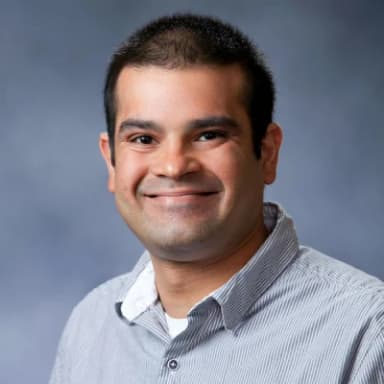
Sidney K. D'Mello, PhD
Science advisor
Professor, Institute of Cognitive Science and Department of Computer Science, University of Colorado Boulder. Director, NSF National AI Institute for Student-AI Teaming (iSAT). Associate Editor, Discourse Processes.
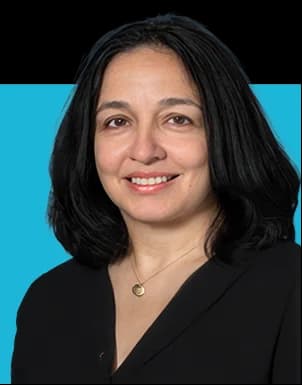
Dr. Sara Ghandehari, MD, MCSO, FACHE
Clinical advisor

Dr. Nick Uram, Psy.D.
Clinical advisor

Lindsay Shrubsole
Clinical advisor
Chartered Clinical Psychologist since 1982. Former Consultant Psychologist in Psychotherapy, Humber NHS Mental Health Trust.
Technical questions
Has Okaya been scientifically tested?
Yes, in two peer-reviewed papers. A feasibility study in JMIR Formative Research (2026), with U.S. Air Force and U.S. Space Force participants, found preliminary links between check-in signals and standard measures of fatigue, depression and cognition. A second peer-reviewed paper appears in the proceedings of the HealthIUI 2026 workshop at the ACM IUI conference and was accepted at the IEEE ABC 2026 conference. Both studies were IRB-approved. A third IRB-approved study with Indiana University is in progress.
What does a check-in measure?
You talk with Sanora, Okaya's AI guide, for about 3 minutes. Okaya looks at how you sound, what you say and how your expression moves, and compares today with your own earlier check-ins.
Is Okaya facial recognition?
No. Okaya never identifies who you are from your face. There is no facial recognition.
Where does the video go?
The video never leaves the device. The phone turns the face into points. Those points, the voice audio and the words go to Okaya's servers, where the analysis runs.
What does the Okaya Score mean?
The Okaya Score is a number from 0 to 100. It shows how today's check-in compares with your own earlier check-ins, with a wider group's data blended in. The trend over several check-ins tells you more than one day.
Is Okaya a medical device? Does it diagnose?
No. Okaya is not a medical device and does not diagnose. It is a readiness check-in for adults 18 and over. A change it shows can be a reason to talk with a professional.
How is Okaya different from a wearable?
A wearable measures the body: sleep, heart rate and activity. Okaya looks at voice, words and expression in a short conversation, so the two answer different questions and work well side by side.
What do I need for a check-in?
A phone, tablet or laptop with a microphone. A camera adds the expression signals; you can skip it. Okaya runs in the web browser, so there is no app to install. A check-in takes about 3 minutes.
Who sees the results?
Individual results stay private to the individual. Leadership sees anonymized, aggregated unit-level readiness only. Never who checked in, how anyone did, or anything they said.
Talk to the team
20 minutes, no prep needed. Researchers: ask about a study partnership on the same call.
Talk to us