Field notes
Interviews with fire officers and peer-support leads, research notes and lessons on readiness for high-consequence teams.
Fire service
 Behind the Shield Podcast InterviewOkaya's CEO joins James Geering on Behind the Shield (Ep. 1221) to talk about checking readiness in the fire service before something goes wrong.
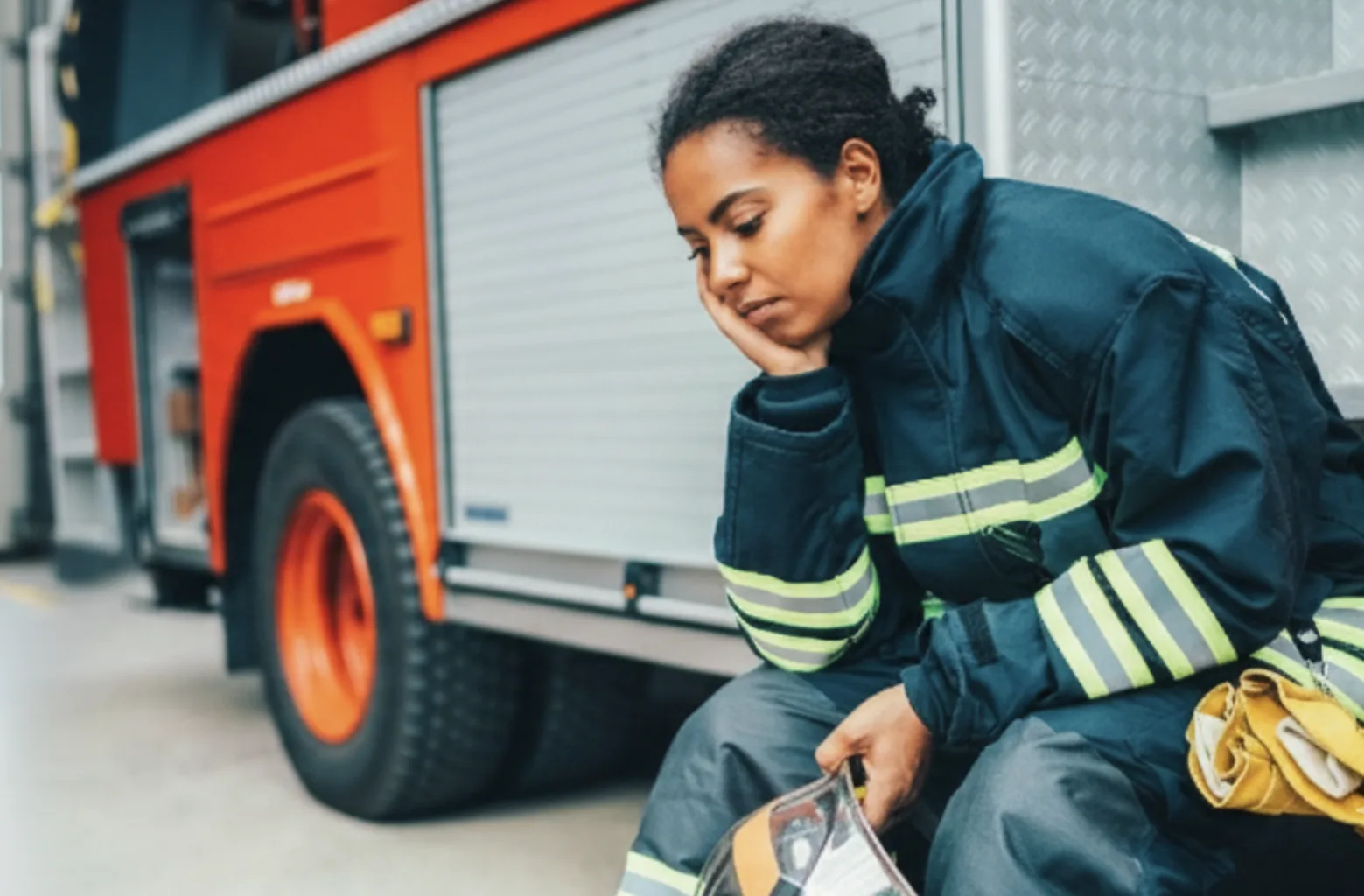 The Officer Communication Gap: When Crews Confide But Chiefs Don't KnowFire officers hear when crew members struggle, but chiefs learn late. Marie Balak of Gainesville Fire Rescue on giving officers a guide and an example.
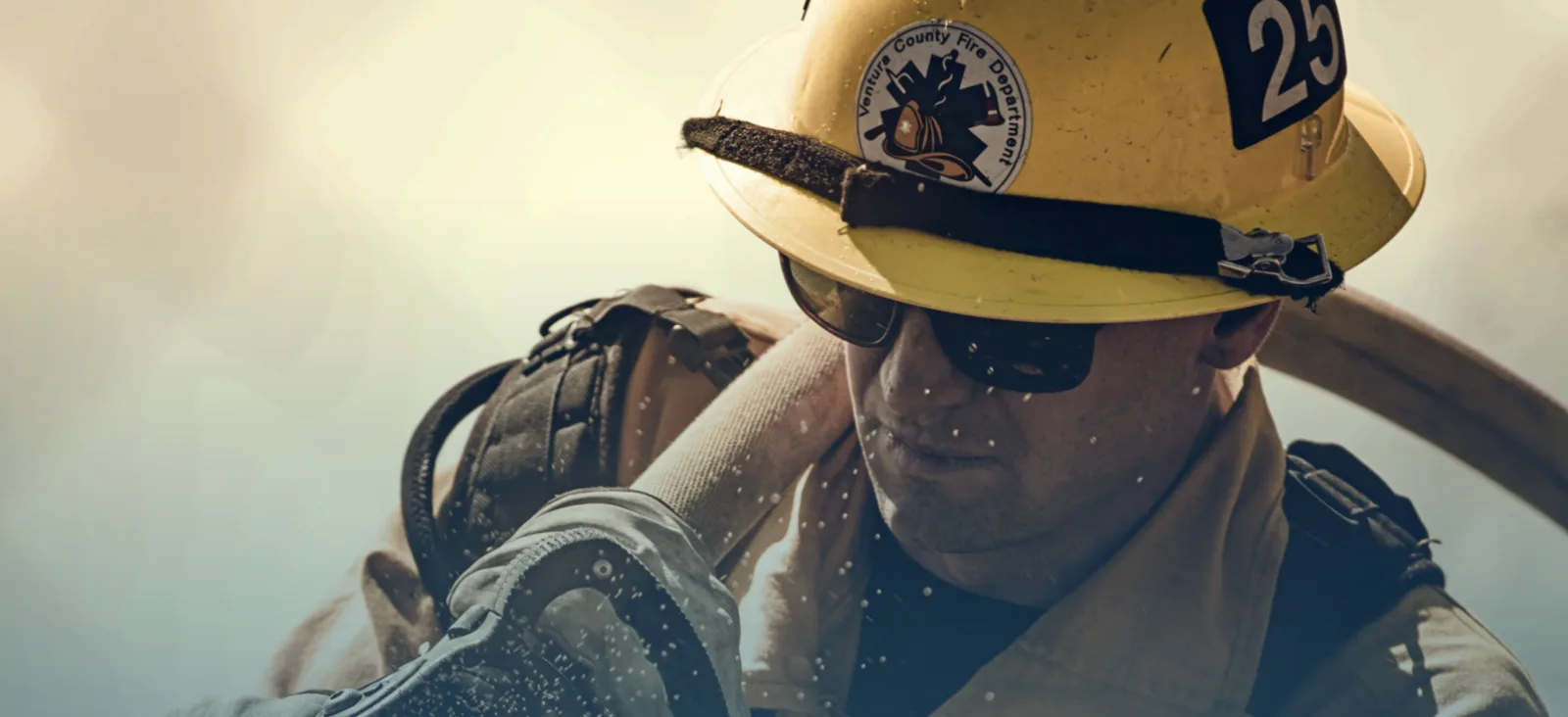 The 9-12 Month Performance Gap: What Turnover Really Costs Fire DepartmentsLt. Tyler Capron of Boulder Fire Rescue on what turnover costs a department and what data chiefs need to fund peer support.
 Firefighting Culture and the Cost of SilenceJeff Dill of the Firefighter Behavioral Health Alliance on why relationships drive firefighter suicides and what a full department program includes.
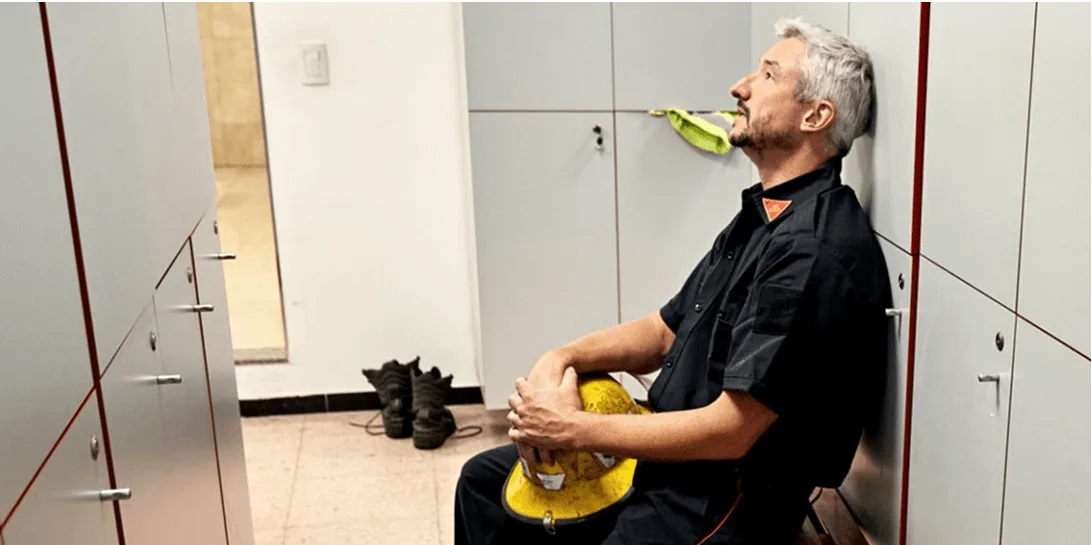 The Performance Gap Costing Fire Departments Their Best PeopleRobert Avsec of the Fire Service Psychology Association on culturally competent clinicians, peer support limits and measuring readiness like fitness.
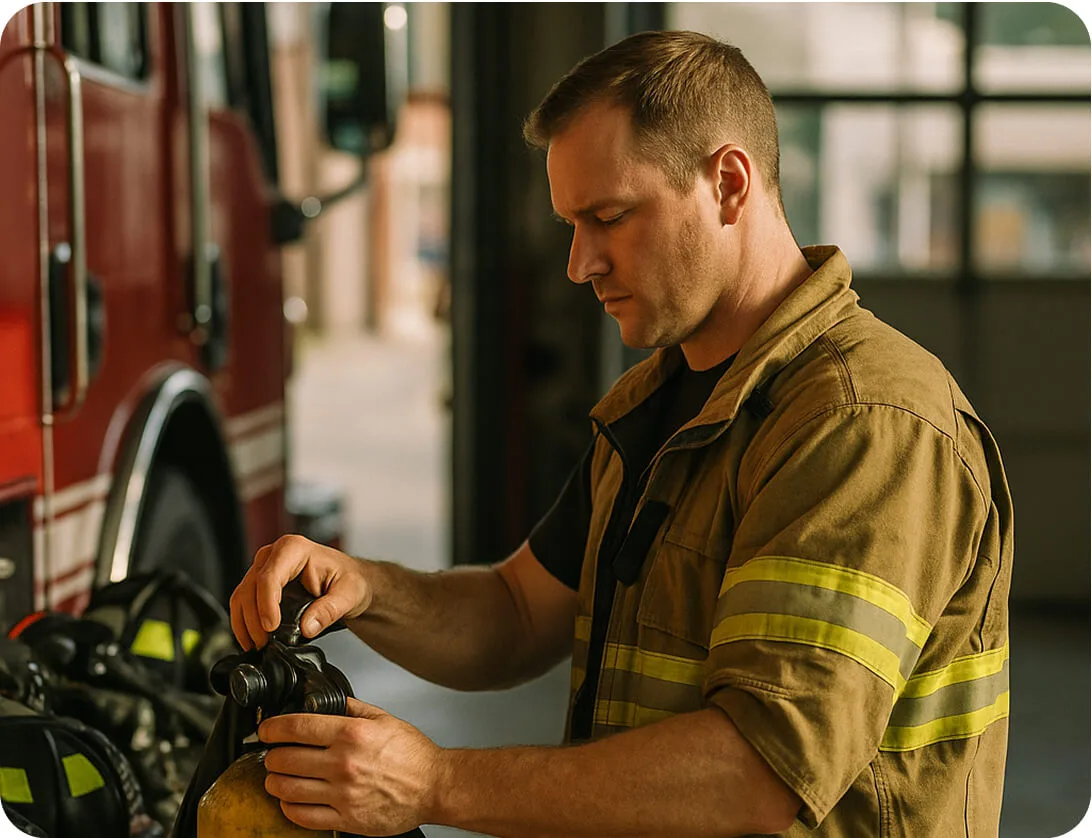 The Silent Alarm: Why Firefighters Stay QuietFirefighters stay quiet because they fear looking unfit and don't trust the EAP. What the silence costs a department, and what crews will use.
Government

Science and research
 Can Users Game a Readiness Check-In? How Okaya Limits ItYes, a person can try to fake a check-in. Okaya compares each person with their own earlier check-ins and keeps results private, which removes most reasons to fake.
 Industrial Safety in the Air and EverywhereFatigue has put airline pilots to sleep in flight. A short readiness check-in before duty gives crews a private way to see when they are not ready to fly.
 Anomaly Detection for Non-Normal DataWhen data is not bell-shaped, a normal curve flags the wrong points. A kernel density estimate fits the real shape and ranks new values against past ones.
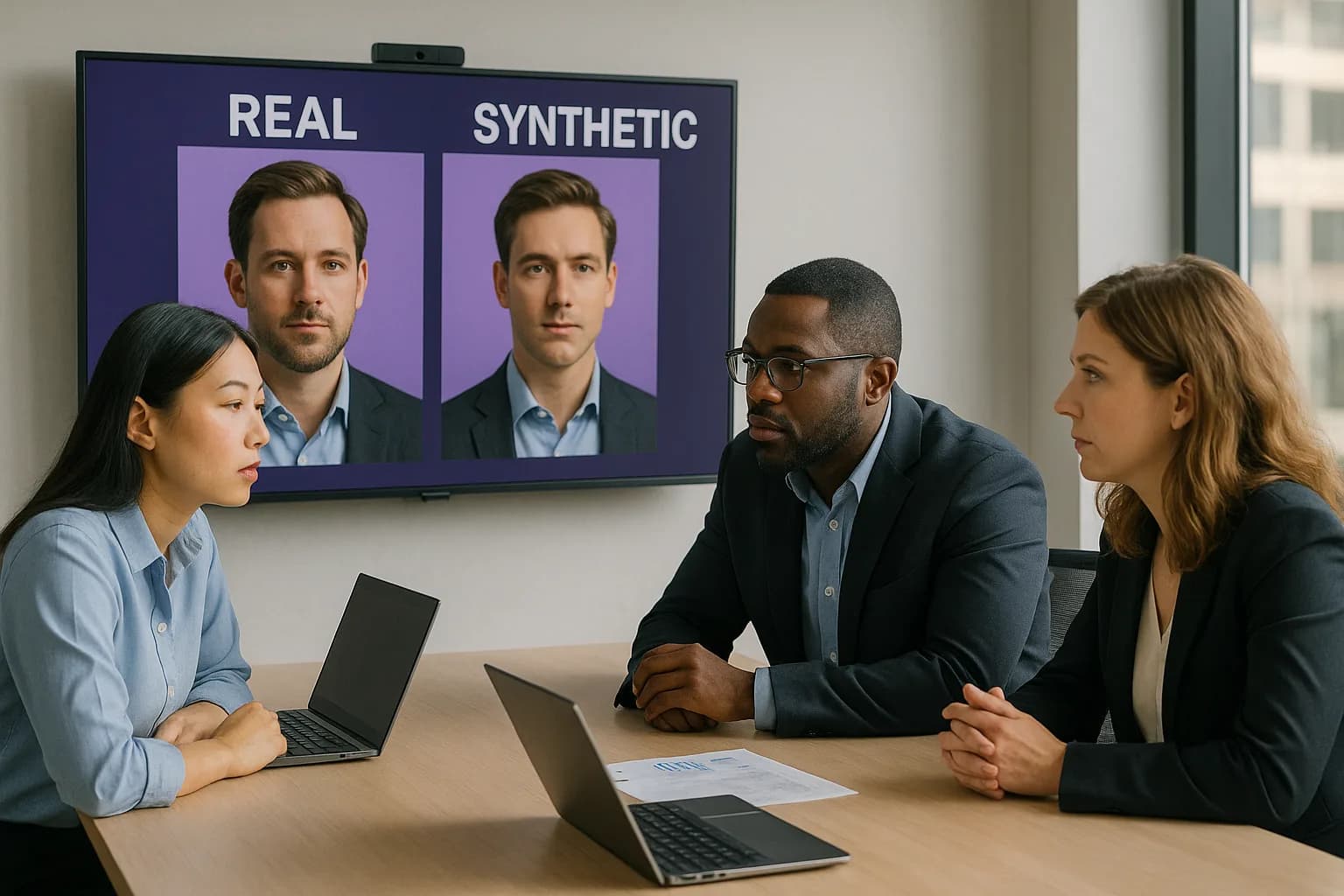 You Can't Always Believe Your Eyes: Where AI Falls FlatCan you tell what someone feels from their face? Not reliably. Research, video quirks and one intern's side glance show why a single expression misleads.